
Build with better knowledge.
Practical, easy-to-follow guidance on cement, concrete, masonry, finishing and construction buying in Nigeria. Make informed decisions at every stage of your project.
Explore construction insights
Guides for homeowners, builders, contractors and project teams.

How Much Cement Do You Need for a 1-Bedroom House?
There is no dependable universal number of cement bags for a one-bedroom house. Two houses with the same number of rooms can differ in floor area, foundation design, wall height, roof system, floor finish, soil conditions and structural details. Those differences change the quantity substantially.
Read article →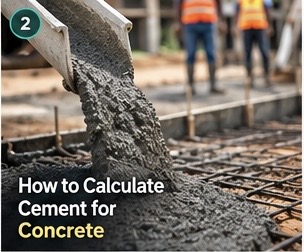
How to Calculate Cement for Concrete
A reliable estimate begins with the volume of concrete required. The cement quantity is then taken from the approved mix design or specification for that concrete. This is more dependable than guessing bags from the size of a room or the number of workers on site.
Read article →
Cement-Sand Ratio for Block Work: What Works Best?
Mortar joins masonry units and transfers local stresses between them. A mix that is too weak, too rich, poorly mixed or made with unsuitable sand can lead to weak joints, shrinkage or waste. The correct specification depends on the block type, wall function and exposure.
Read article →
Best Cement for Foundation Work in Nigeria
A foundation transfers building loads to the ground. Its performance depends on the soil, structural design, concrete specification, reinforcement, workmanship and curing—not simply on choosing a bag described as the strongest.
Read article →
32.5R vs 42.5R Cement in Nigeria: Which Should You Buy?
The numbers 32.5 and 42.5 identify cement strength classes under relevant cement standards; the R designation indicates a rapid early-strength category. These labels describe tested performance, not a universal ranking of which cement is best for every job.
Read article →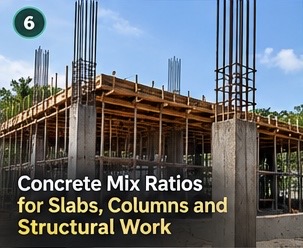
Concrete Mix Ratios for Slabs, Columns and Structural Work
Slabs, columns, beams and footings have different structural roles and loading conditions. A mix that appears workable for one application is not automatically suitable for another. Structural concrete should be produced to the project specification and an approved mix design.
Read article →
How to Store Cement Properly in Nigeria
Cement reacts with water. Even before mixing, exposure to rain, damp floors or humid air can cause partial hydration and hard lumps, reducing confidence in the material. In Nigeria’s wet and humid conditions, storage deserves attention from the moment a delivery arrives.
Read article →
What to Check Before Buying Cement
Before paying for cement, confirm that the product is suitable for the work, comes from a traceable source and can be delivered and stored in good condition. A careful buyer checks more than the price printed on a quotation.
Read article →
Cement Prices in Nigeria: What Buyers Should Know
A quoted price per bag is only the starting point. The amount that reaches your site depends on the cement brand and type, order quantity, delivery distance, loading arrangements and the seller’s current stock. Prices can change, so treat online figures as a guide and request a dated quotation before paying.
Read article →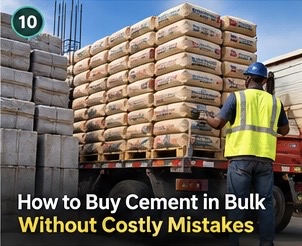
How to Buy Cement in Bulk Without Costly Mistakes
Buying many bags at once can reduce repeated transport arrangements and help maintain a steady workflow. It can also create avoidable losses if the site cannot store the material, the work programme changes or the order exceeds actual demand.
Read article →
Plastering Cement-Sand Ratio: Best Mixes and Tips
Plaster protects and evens a wall surface, but its performance depends on the background, sand grading, binder, water, thickness and curing. A rich mix is not automatically better: excessive binder or water can increase shrinkage and cracking risk.
Read article →
Construction Budgeting: Planning Cement Costs Realistically
Cement expenditure is affected by quantity, product selection, delivery distance, timing, storage and wastage. A useful budget separates these items so that changes can be explained and managed rather than appearing as unexpected overruns.
Read article →
Cement Delivery Checklist for Nigerian Builders
A cement delivery can affect the whole work sequence. A late truck can stop block laying or concrete preparation; poor unloading and wet storage can damage bags. Plan the arrival around labour, site access and a protected storage area.
Read article →
Homeowner Buying Guide for Cement in Nigeria
You do not need to be a quantity surveyor to ask the right questions. A clear scope, a written quotation and a simple delivery checklist can help you avoid paying for the wrong product or ordering more than the site can protect.
Read article →
Contractor Buying Guide for Cement and Site Planning
For contractors, cement procurement is a coordination task linking the work schedule, material specification, cash flow, supplier reliability and site logistics. A predictable process reduces stoppages and avoids carrying excessive stock.
Read article →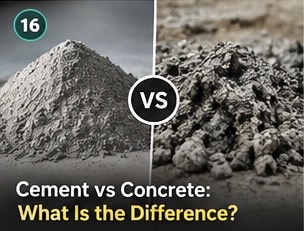
Cement vs Concrete: What Is the Difference?
Cement and concrete are related, but they are not interchangeable terms. Cement is a hydraulic binder. When mixed with water it reacts and hardens; in concrete, it binds sand and coarse aggregate into a stone-like construction material.
Read article →
Common Cement Buying Mistakes and How to Avoid Them
Cement is a significant construction input, and mistakes at purchase can cause delays, extra transport costs or material loss. A short verification routine helps homeowners, contractors and procurement teams make better decisions.
Read article →
How Many Bags of Cement for 1m³ Concrete?
There is no single cement-bag count that applies to every cubic metre of concrete. The quantity depends on the specified concrete strength, mix design, aggregate grading and moisture, cement type and quality-control requirements. A structural engineer’s specification takes priority over rules of thumb.
Read article →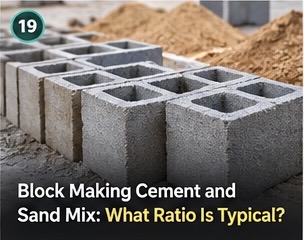
Block Making Cement and Sand Mix: What Ratio Is Typical?
The quality of sandcrete blocks is influenced by cement content, aggregate grading, water, compaction, moulding equipment and curing. Adding more cement without controlling the other variables does not guarantee a reliable block.
Read article →
Cement for Tiling and Plaster Work: What to Use and Why
Plastering and tiling are different trades with different material requirements. Cement-based plaster creates a prepared wall or ceiling surface; tile installation needs an adhesive or bedding system compatible with the tile, substrate and exposure. The product instructions and project specification should guide selection.
Read article →Planning a construction project?
Speak with FemSoBabs Cement Hub about cement supply and delivery for your location.