
Plaster protects and evens a wall surface, but its performance depends on the background, sand grading, binder, water, thickness and curing. A rich mix is not automatically better: excessive binder or water can increase shrinkage and cracking risk.
Prepare the wall
Remove dust, loose mortar, oil, paint and other contaminants. Rake out defective joints where appropriate and repair unsound areas. Manage suction on highly absorbent backgrounds and use a suitable bonding or preparation system where the substrate requires it.
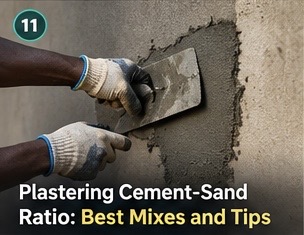
Choose and measure the mix
Use clean, well-graded plastering sand and cement appropriate to the specification. Measure consistently and add water gradually to produce a cohesive, workable mix. The correct proportion depends on the substrate, exposure and specified finish; follow the project specification rather than a universal ratio.
Apply evenly and cure correctly
Apply plaster in controlled thicknesses, maintaining line, level and plumb. Avoid overly thick single coats where the system requires multiple layers. Protect fresh work from rapid drying, heavy rain and damage, and cure in accordance with the specification. Allow adequate drying before painting.
Diagnose cracks instead of hiding them
Hairline shrinkage cracks, debonding and recurring cracks can have different causes. Check substrate movement, excessive thickness, poor preparation, mix consistency and curing. If cracking is associated with structural movement or water ingress, obtain professional assessment before patching.
Frequently asked questions
What is the key consideration when a durable plaster finish is a system of materials and workmanship?
Remove dust, loose mortar, oil, paint and other contaminants. Rake out defective joints where appropriate and repair unsound areas. Manage suction on highly absorbent backgrounds and use a suitable bonding or preparation system where the substrate requires it.
Does the same approach work for every project?
No. Requirements vary with design, materials, site conditions and intended use. Follow the project specification and confirm uncertainties with the responsible professional.
Where should I get project-specific advice?
Consult the qualified engineer, builder or quantity surveyor responsible for your project. Use this guide as general background, not as a substitute for approved drawings or specifications.
Let’s help you plan your next order.
Tell us your required quantity, preferred brand and delivery location. Our team can help you request a quotation.